TMJ Headaches, Jaw Pain, or Teeth Grinding? How Culver City Patients Find Relief Without Surgery
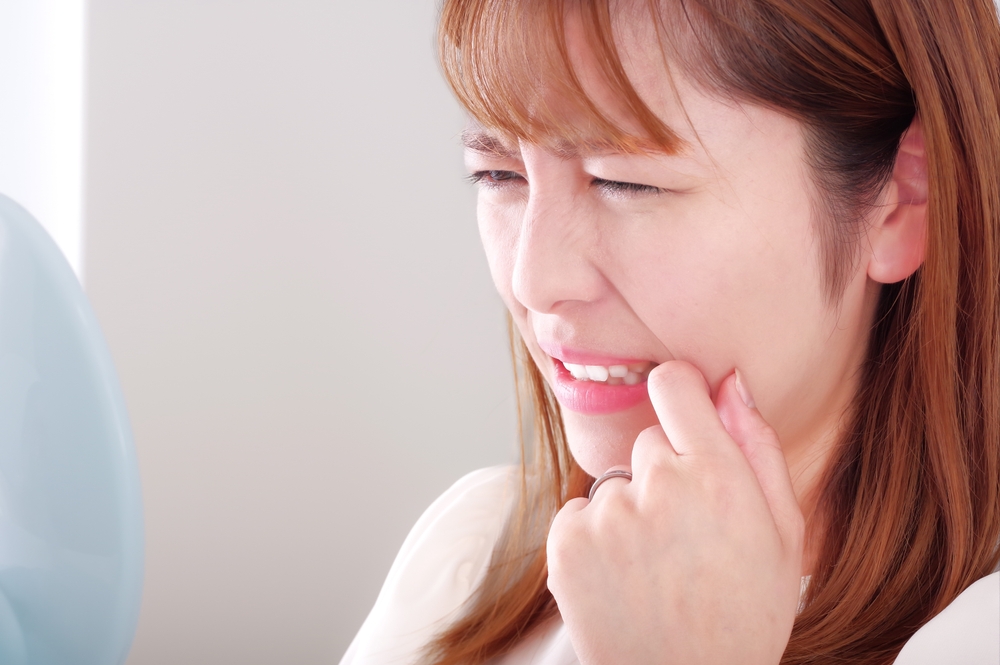
Jaw pain, frequent headaches, facial tension, and teeth grinding can feel like separate problems, but they may all be connected to the temporomandibular joint, also called the TMJ. This joint helps your jaw move when you chew, speak, yawn, and smile.
At our Culver City office, we often see patients who have lived with discomfort for months or even years before realizing their bite, jaw muscles, or clenching habits may be contributing to the problem.
How TMJ Problems Can Cause Headaches
TMJ headaches often start because the jaw muscles are overworked. When the bite is imbalanced or the jaw is under stress, the surrounding muscles may tighten. That tension can spread into the temples, face, neck, and shoulders.
For some patients, the pain feels like a dull headache. For others, it may feel like pressure near the ears, soreness in the cheeks, or pain when chewing. Because these symptoms can overlap with other conditions, a dental evaluation can help identify whether TMJ dysfunction may be part of the cause.
Common Signs of TMJ Dysfunction
TMJ symptoms can vary from person to person. Some Culver City patients notice mild jaw clicking, while others experience daily pain or worn teeth from grinding.
Common signs may include:
- Jaw pain, tightness, or soreness
- Frequent headaches or temple pressure
- Teeth grinding or clenching
- Clicking, popping, or locking in the jaw
- Tooth sensitivity or worn-down enamel
- Ear pressure, facial pain, or neck tension
If these symptoms keep coming back, it may be time to look beyond short-term pain relief and evaluate the jaw joint, bite, and muscle function.
Why Teeth Grinding Makes TMJ Pain Worse
Teeth grinding, also called bruxism, can place significant pressure on the teeth and jaw joints. Many patients grind or clench while sleeping, which means they may not realize it is happening until symptoms appear.
Over time, grinding can lead to tooth wear, cracked restorations, morning jaw soreness, and tension headaches. It can also strain the TMJ and make existing jaw pain worse. Addressing grinding early can help protect both your teeth and your jaw.
Relief Without Surgery
Many TMJ concerns can be managed without surgery. At Concierge Smile Boutique, we start with a careful evaluation to understand what may be contributing to your symptoms. This may include looking at your bite, jaw movement, muscle tenderness, tooth wear, and overall dental health.
Depending on your needs, non-surgical TMJ treatment may include a custom mouthguard, bite adjustments, stress-related clenching management, or other conservative options. Our goal is to reduce strain on the jaw, protect your teeth, and help you feel more comfortable during daily activities.
When to Schedule a TMJ Evaluation
If jaw pain, headaches, or teeth grinding are affecting your comfort, it is worth having your symptoms evaluated. TMJ dysfunction can become more difficult to manage when it is ignored, especially if grinding is damaging the teeth or restorations.
We take the time to understand your symptoms and create a treatment plan that fits your needs. For many patients, the right non-surgical approach can make a meaningful difference in comfort, function, and long-term oral health.
For TMJ headaches, jaw pain, or teeth grinding treatment, contact Concierge Smile Boutique in Culver City, CA by calling (424) 404-6400 to schedule an appointment.


Schedule an Appointment
We believe nothing you wear is more important than your smile

Address:10842 Washington Blvd.
Culver City, CA 90232
Culver City, CA 90232
Phone:(424) 404-6400
- Monday9:00am - 6:00pm
- Tuesday9:00am - 6:00pm
- Wednesday9:00pm - 6:00pm
- Thursday9:00am - 6:00pm
- Friday9:00am - 3:00pm
- SaturdayClosed
- SundayClosed
Powered by: